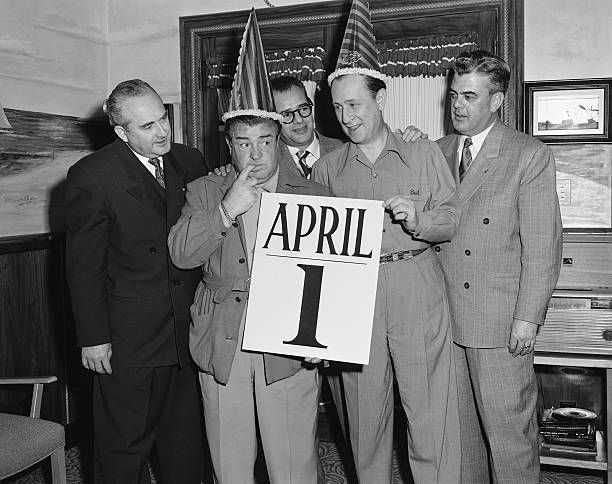
April Fool’s Day is a day of pulling harmless, funny prank on your friends, family, and colleagues. But did you know that the origin of the day is linked to calendar changes in Europe? It links to the shift from Julian calendar to Gregorian calendar in 1582. Under the Julian calendar, European regions celebrated the New Year around late March to early April, often ending on April 1. Soon after, the Gregorian calendar was introduced, and New Year’s Day officially moved to January 1. The calendar shift was not easily adapted by the people, so people who continued to celebrate New Year in early April were mocked as “April fools” and became the target of pranks. This shows that an aligned calendar that is followed by everyone is important, so you won’t be considered as “fools.”
Similarly, in the hospitality industry, where coordination and timing are critical, calendars are very crucial in tracking important dates such as license renewals or inspections. However, there are many hotels operating without a calendar that is accessible to everyone in the organization. Can you ever imagine forgetting the hotel’s license renewal because it was not properly recorded in the calendar and no one flagged it early? This issue can cause the efficiency of the hotel to limit itself.
So, maybe we can overcome the issue by creating three different calendars that run as “invisible manager”.
1. Master Calendar (Whole Hotel)
A master calendar is the overall schedule for the entire organization. It is accessible to everyone in the hotel and includes all major events, bookings, and important dates. All the way from General Manager to housekeeping employees, everyone can see the remarks on the exact schedule throughout the year. For example, if the General Manager forgets VIP arrivals, another employee can help to remind and vice versa. Thus, a centralized calendar can also help management avoid scheduling conflicts and maintain clear operational demands.
2. Departmental Calendar (Team Level)
This calendar is a breakdown from the Master calendar. It focuses on one specific department that contains activities relevant to that department only. For example, the housekeeping department will plan their weekly reminder that includes duty roster preparation and report submission deadlines. This weekly reminder is only accessible among the housekeeping employees. Therefore, this level ensures that each department can effectively contribute to the organization’s objectives.
3. Individual Calendar (Personal Level)
It is for your daily tasks and schedule that includes personal duties and appointments. For some ad hoc tasks that are verbally instructed, you can include them in your calendars. For example, you are required to do a quick refresh of all public restrooms before an important event starts so, you may want to include a quick note on your calendar so you will not overlook the task. So, by having a personal calendar, you can stay organized and productive in executing broader plans, contributing to seamless service delivery.
In the end, calendars are not just tools, but they are the quiet backbone of hospitality. To strive as a business leader, the hotel must aim for continuous efficiency through structured and disciplined execution. Thus, a well-aligned calendar system is a strategic foundation for operational excellence.
Written by Adrian Praveen, CEO of Arrowood